
Why Shopping Local Matters
The Power of Supporting Small Businesses and Local Artisans
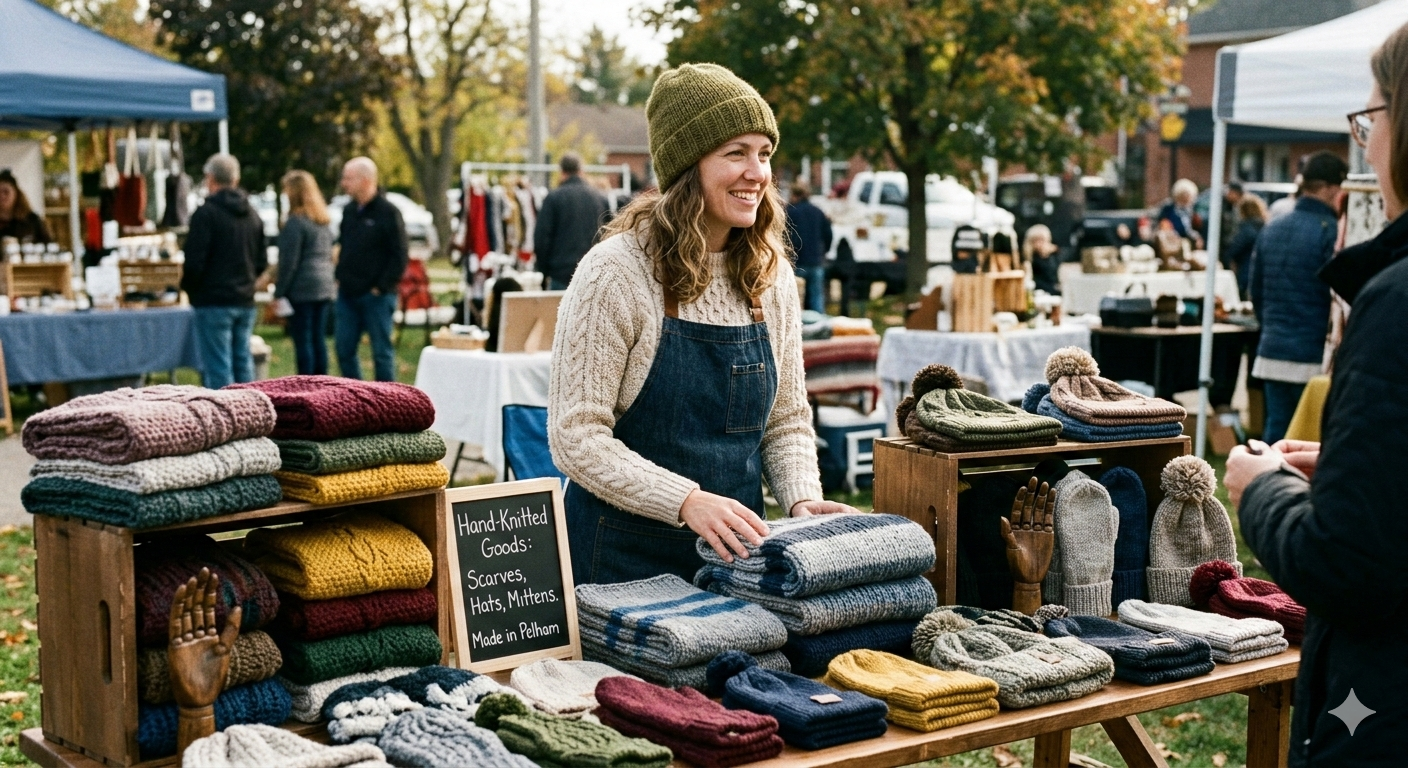
In every community, local businesses and artisans play an essential role in shaping the character, culture, and economic health of the area. From handmade crafts and fresh produce to unique clothing and locally written books, small vendors bring creativity and diversity to our neighborhoods. Shopping locally is more than just a transaction—it is a way to strengthen communities, support hardworking entrepreneurs, and create lasting economic and social benefits. When people choose to buy from local businesses instead of large chain retailers, they contribute to a cycle of growth that benefits the entire community.
One of the most significant impacts of shopping locally is its effect on the local economy. When customers spend money at small businesses, a larger portion of that money stays within the community. Local business owners often purchase supplies from nearby vendors, hire local employees, and invest in community services. This circulation of money creates a multiplier effect, meaning that each dollar spent locally continues to support other businesses and workers in the area. In contrast, when money is spent at large national or international corporations, a significant portion of the profits leaves the community and goes to corporate headquarters elsewhere.
Small businesses are also important job creators. Many communities rely on local entrepreneurs to provide employment opportunities. These jobs may include positions in retail, food service, artisan crafts, and other specialized industries. Supporting these businesses helps sustain local employment and provides opportunities for people to develop skills and build careers close to home. In many cases, small businesses offer more personal and supportive work environments compared to larger corporations, fostering stronger relationships between employers and employees.
Another key benefit of shopping local is the encouragement of creativity and craftsmanship. Local artisans often produce handmade or carefully crafted goods that cannot be found in big-box stores. Whether it is handcrafted jewelry, homemade candles, artwork, baked goods, or handmade clothing, these products often carry a personal story and unique touch. When customers purchase these items, they are not only buying a product but also supporting the passion and creativity of the person who made it.
Vendor markets and craft fairs are great examples of spaces where local artisans thrive. These markets provide a platform for creators to showcase their work, connect with customers, and grow their businesses. Shoppers at vendor markets often enjoy a more personal experience because they can meet the makers, learn about the process behind the products, and discover items that reflect the culture and creativity of the community. This personal connection creates a sense of appreciation that is often missing from traditional retail environments.
Shopping locally also helps preserve the identity and uniqueness of a community. Large chain stores often look the same no matter where you go, offering similar products and experiences across different cities. Local businesses, on the other hand, reflect the personality and culture of the area they serve. A neighborhood bookstore, artisan bakery, or handmade craft vendor adds character and charm that makes a community feel vibrant and distinctive.
Communities with thriving local businesses often become more attractive places to live and visit. Unique shops, markets, and locally owned restaurants create lively downtown areas and gathering spaces where people can connect. This sense of community encourages residents to spend more time locally rather than traveling elsewhere for shopping or entertainment. As a result, neighborhoods with strong local business support often experience stronger community engagement and pride.
Another important advantage of supporting local vendors is the environmental impact. Small businesses and artisans often operate on a smaller scale and may use more sustainable practices. Many local makers use locally sourced materials, produce goods in smaller batches, and minimize packaging or transportation distances. When people shop locally, they reduce the need for long shipping routes and excessive packaging that often comes with large-scale manufacturing and online retail.
Local food vendors, farmers, and artisans also contribute to healthier communities by providing fresh and high-quality products. Farmers markets and vendor markets allow customers to buy produce, baked goods, and handmade items directly from the people who produce them. This not only supports local agriculture but also encourages healthier eating habits and stronger connections between consumers and food producers.
Beyond economic and environmental benefits, shopping locally strengthens social connections. Local markets, craft fairs, and small shops create opportunities for people to interact with one another. Customers may have conversations with vendors, learn about new products, and build relationships with the people who run their favorite shops. These interactions help foster a sense of belonging and connection that is often missing in larger retail environments.
Supporting small businesses can also inspire entrepreneurship within the community. When people see local vendors succeeding and sharing their passions through their work, it can motivate others to pursue their own ideas and start businesses. This cycle of creativity and innovation helps communities grow and diversify economically. New businesses bring fresh ideas, products, and services that continue to enrich the local marketplace.
For local artisans and small business owners, community support can make a significant difference. Many entrepreneurs start their businesses with limited resources and rely heavily on local customers during the early stages. Each purchase, recommendation, or social media share helps these businesses gain visibility and build a loyal customer base. When communities rally around their local vendors, they help transform small startups into sustainable and successful enterprises.
Another powerful aspect of shopping locally is the sense of pride it builds within a community. Residents often feel proud to support neighbors who are pursuing their dreams and contributing to the local economy. This pride can extend to community events such as vendor markets, festivals, and seasonal fairs where local talent and products are showcased. These events not only boost economic activity but also create memorable experiences that bring people together.
Education is another benefit that comes from supporting local artisans. Many creators enjoy sharing their knowledge and craft with others. Whether it is demonstrating how a product is made, offering workshops, or explaining the inspiration behind their work, artisans often contribute to the cultural and educational richness of a community. These interactions allow customers to gain a deeper appreciation for handmade goods and the skills involved in creating them.
Ultimately, shopping locally is about investing in the future of the community. Each purchase made at a local business supports entrepreneurs, strengthens the economy, and preserves the unique character of the neighborhood. Small businesses and artisans rely on the support of local customers to continue growing and contributing to the community’s vibrancy.
When individuals choose to shop locally—whether at a neighborhood shop, a farmers market, or a vendor market—they become part of something bigger than a simple purchase. They help create jobs, encourage creativity, reduce environmental impact, and build stronger connections between neighbors. By supporting small businesses and local artisans, communities can thrive economically, socially, and culturally for years to come.
In a world where large corporations often dominate the marketplace, choosing to shop local is a powerful way for individuals to make a meaningful difference. Every small purchase contributes to a stronger, more connected, and more resilient community.
